

The nature of luck in gambling
Luck is an inherent element of casino gambling, influencing outcomes in ways that can seem random and unpredictable. In games such as slots and roulette, players have little control over their results, as these games are designed to operate primarily on chance. Interestingly, those who engage in the online casino experience often find themselves captivated by the sheer unpredictability of it all, encompassing those fortunate moments when a player hits a jackpot or wins a significant payout without any prior skill or analysis. This randomness is what attracts many to these games, offering a thrilling experience punctuated by the potential for sudden windfalls.
In addition to the immediate excitement associated with winning through luck, statistical probabilities play a vital role in understanding how luck affects gambling. Each game has a house edge, determining how likely a player is to win over an extended period. Understanding these probabilities can help players recognize that while luck can lead to significant wins, the house ultimately has the advantage. This can create a dynamic where players chase their lucky streaks, often leading to emotional decisions rather than calculated plays.
Moreover, luck is not just a factor in the games themselves but also impacts players’ overall experiences. Anecdotal evidence often recounts stories of individuals who seemingly possess “good luck,” leading them to believe they have an innate ability to win. However, such narratives can obscure the reality of chance, as the outcome of any single game is not influenced by a player’s past performance. In gambling, where luck reigns supreme, players must remain aware of the fine line between luck and responsible gambling.
The importance of skill in gambling
While luck is a significant factor in many casino games, skill plays a critical role in others, particularly in games like poker and blackjack. In these games, players can employ strategies, understand odds, and read opponents, which can give them an advantage over less experienced players. This skill-based aspect encourages players to improve their abilities, invest time in learning strategies, and develop a deeper understanding of the game dynamics. Unlike pure chance games, skill-based games allow players to influence outcomes through informed decisions.
For instance, in poker, a skilled player may bluff, read betting patterns, and make calculated risks that can lead to substantial winnings. Research suggests that experienced players consistently outperform novices over time, showcasing the impact of skill in the gambling realm. Developing skills like bankroll management and hand-reading not only enhances a player’s strategy but also cultivates a mindset focused on practical decision-making rather than relying solely on luck.
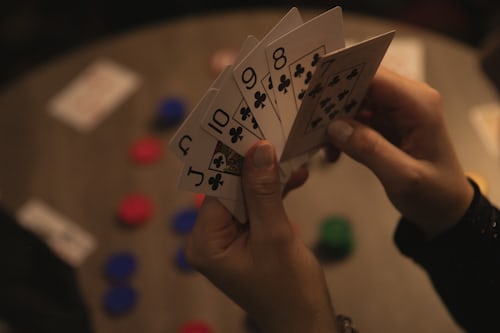
Additionally, some casino games blend both skill and luck, creating a unique environment where knowledgeable players can maximize their potential returns. In blackjack, for example, while the shuffling of cards introduces an element of luck, the player’s decisions on whether to hit or stand can significantly sway the outcome. This interplay encourages players to improve their skills, fostering a community where learning and strategy are valued alongside thrilling moments of chance.
The psychological aspect of gambling
The psychology behind gambling reveals how both luck and skill affect player behavior and mindset. Many gamblers experience cognitive biases, such as the gambler’s fallacy, where they mistakenly believe that past results can predict future outcomes. This fallacy can lead players to feel invincible during a supposed winning streak, attributing their success to skill rather than acknowledging the role of luck. Such beliefs can distort their perception of the game, motivating them to take risks that may not align with a strategic approach.
Moreover, the emotional highs and lows experienced during gambling are driven by both luck and skill. The thrill of hitting a lucky win can create feelings of exhilaration, while a string of losses can lead to frustration and desperation. This emotional rollercoaster often compels players to chase their losses or double down on their bets, perpetuating a cycle of risky behavior. Understanding the psychological impacts can help players adopt a more measured approach, emphasizing a balance between enjoyment and responsibility.
Additionally, social interactions at casinos can further complicate the gambling experience. Players often share stories of luck or misfortune, creating a community narrative that can elevate the excitement of chance-based games. In contrast, skill-based games may lead to a competitive atmosphere among players, focusing on strategy and game play rather than luck, which can encourage a different mindset. Recognizing these factors is crucial for ensuring a pleasurable and responsible gambling experience.
The balance of luck and skill in gambling strategies
Finding the right balance between luck and skill can significantly enhance the gambling experience, allowing players to approach games with both enjoyment and strategy. For those drawn to luck-driven games, managing expectations is essential. Understanding that wins can be sporadic helps players enjoy the thrill of chance without falling into the trap of chasing losses. Setting limits on time and money spent can safeguard against the emotional pitfalls associated with luck-focused games.

Conversely, for skill-oriented games, players should prioritize ongoing education and practice to refine their strategies. Engaging with online resources, joining forums, or participating in workshops can help develop a robust understanding of game mechanics. This commitment to improvement not only heightens the potential for success but also fosters a deeper appreciation for the game and its intricacies. Strategies can involve analyzing opponents, learning advanced techniques, or understanding game theory, which can all enhance a player’s ability to adapt during gameplay.
Ultimately, the path to a fulfilling gambling experience lies in recognizing the interplay between skill and luck. While players may not influence every aspect of chance-based games, they can harness their knowledge and expertise in skill-based games, creating a more dynamic and rewarding journey. Embracing both elements puts players in a position to appreciate their wins while learning from their losses, ensuring a balanced approach to casino gambling.
Explore our community for insights and strategies
Our website serves as a valuable resource for individuals interested in delving deeper into the world of gambling. We provide an array of content focusing on various games, strategies, and the psychological aspects of gambling. By fostering a community of players who share experiences and insights, we aim to create an engaging platform where both novice and experienced gamblers can learn and grow together.
In addition to articles and tips on enhancing gameplay, we also feature forums that encourage discussion on the balance of luck and skill. Players can connect with others, share their stories, and discuss strategies that have worked for them. This collaborative environment not only enriches individual experiences but also contributes to a collective understanding of the complexities of gambling.
Whether you are looking to improve your skills in a particular game or simply want to enjoy the thrill of chance, our website offers a comprehensive approach to all aspects of casino gambling. Join us in exploring strategies, sharing experiences, and cultivating a responsible and enjoyable gambling experience for everyone involved.