
Ultimate Jordan Shoes for On-Court Performance on the Court
Jordan Brand holds a unique place between legacy and modern technology when it comes to basketball performance footwear. The brand established its reputation on Michael Jordan’s six championship runs, and in 2026 it continues to outfit NBA players while supporting countless numbers of casual players who need genuine court performance. But here’s the difficulty: with over 40 mainline shoes and numerous of offshoots, identifying which Jordans actually deliver on the court demands thorough investigation. Not every Jordan is designed for basketball these days — retro releases from the ’80s and ’90s are missing up-to-date cushioning, while current performance lines provide state-of-the-art cushioning and stability that compete with anything on the market. This review evaluates the top Jordan shoes for court play in 2026, assessing each across cushioning, court grip, lockdown, weight, and on-court feel.
What Makes a Top-Tier Basketball Shoe in 2026
Modern basketball involves multi-directional movement — fast-break runs, defensive slides, quick deceleration, jumping — demanding shock absorption that manages shock without compromising energy return. Grip is possibly the most important factor, because a shoe that slips on poorly maintained courts is genuinely hazardous, increasing risk of rolled ankles and knee problems. Support includes exterior elements like lateral outriggers and heel counters plus the shoe’s power to keep your foot during aggressive direction changes. Shoe weight has become essential as the game becomes quicker, with top-level guards preferring sneakers under 14 ounces while centers accept up to 16 for extra ankle stability. Breathability stops excessive warmth that diminishes traction and comfort during prolonged games. The best shoe combines all five attributes without heavily compromising any particular one.
Air Jordan 38: The Flagship Court Weapon
The Air Jordan 38 embodies the pinnacle of Jordan Brand’s performance engineering, combining Formula 23 foam with a heel-to-toe Zoom Air Strobel that provides an remarkably lively experience. At 13.8 ounces in a men’s size 10, it balances light agility with cushioning that protects knees and ankles during explosive nike air jordan action. The knit Jacquard upper reinforced with Flywire cables locks the foot down during defensive slides while keeping breathable for extended contests. Traction is superb — the herringbone outsole bites both pristine and dirty courts with certainty, and the outsole rubber lasts a full amateur season of 3-4 games per week. The midfoot plate offers torsional stability during crossover dribbles and defensive shuffles. At $200 retail, it stacks up with the LeBron 22 and provides what many testers call the greatest Jordan on-court experience since the Jordan 28.
Jordan Tatum 3: Greatest Value Basketball Sneaker
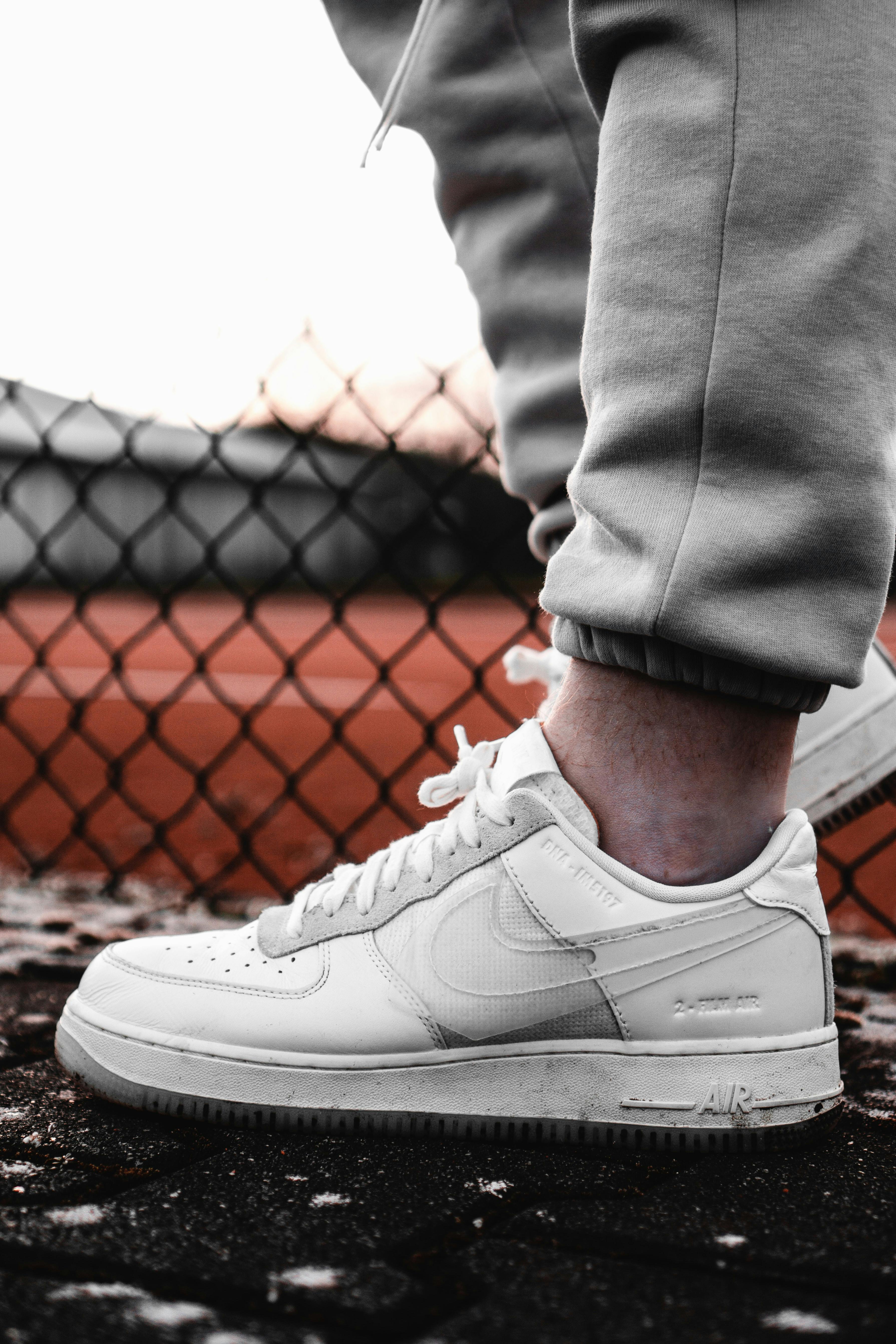
Jayson Tatum’s third signature has emerged as the universally acknowledged best-value basketball shoe of 2026, offering elite on-court capability at $130. The React foam midsole with forefoot Zoom Air provides all-day cushioning while delivering pop for dynamic first steps and finishes at the basket. At 12.9 ounces, it’s one of the lightest performance shoes out there, perfectly tailored for backcourt players and wings prioritizing agility. The technical mesh upper conforms to the foot after short wearing in, and the internal heel cup secures the ankle without limiting motion. Outsole grip uses generously spaced herringbone grooves that channel dust away, maintaining court bite on dirty courts. Multiple NBA players beyond Tatum have been noticed wearing it in games — the definitive endorsement of performance credibility.
Air Jordan 37: The Versatile All-Rounder
The AJ37 may be technically a prior model, but it continues to be readily for sale at sale costs and still stacks up with current models. The Lenoweave upper is at the same time light, ventilated, and structured — a fabric breakthrough influencing Jordan’s complete court shoe range. Dual-stacked Zoom Air in both forefoot and heel provides court feel remarkably close to natural while providing genuine cushioning. At 14.1 ounces, it’s marginally weightier than the Tatum 3 but compensates with enhanced ankle lockdown from its higher collar and Flywire system, which makes it strong for power forwards and centers. The outsole grip is among the most grippy in the range, with deep cuts that bite even during hard direction changes. Initially $185, it now retails for $120–$140 — perhaps the best performance-per-dollar in Jordan’s range.
Jordan Luka 3: Built for Crafty Floor Generals
The Luka 3, designed for Luka Dončić’s craft-based playing style, caters to ballers who lean on footwork and body control over sheer speed. The complete Zoom Strobel rests directly beneath the foot, producing a low-to-ground ride that enhances stability during step-back jumpers and Euro-steps. The wide base and prominent outrigger provide stability among the top in Jordan’s range, which makes it perfect for bigger players or those with ankle issues. Traction uses a circular pattern facilitating post spins and spins central to Dončić’s game, although performance declines slightly on extremely dusty floors. At $140 with expanded sizing up to 18, it’s accessible to big men who have difficulty getting court shoes in their size. If you emphasize precision over sheer quickness, the Luka 3 excels at what it was designed to do.
| Model | Price | Weight (Size 10) | Cushioning | Best Position | Rating |
|---|---|---|---|---|---|
| Air Jordan 38 | $200 | 13.8 oz | Formula 23 + Zoom Air | Any position | 9.5/10 |
| Jordan Tatum 3 | $130 | 12.9 oz | React + Zoom Air | Guards / Wings | 9.0/10 |
| Air Jordan 37 | $120–$140 | 14.1 oz | Dual Zoom Air | All positions | 8.5/10 |
| Jordan Luka 3 | $140 | 14.3 oz | Zoom Strobel | Playmakers and guards | 8.5/10 |
Retro Jordans on the Court: What Genuinely Holds Up
Playing basketball in retros is appealing, but on-court deficiencies make most retro releases inadequate choices for serious court play in 2026. Heritage shoes use ’80s and ’90s impact protection — traditional Nike Air that offers rudimentary shock absorption but doesn’t have the responsiveness and rebound of current Zoom Air and React foam. The Air Jordan 11 Retro is the one noteworthy exception many hoopers continue to find playable, owing to its carbon fiber spring plate and full-length Air unit, but even it doesn’t reach 2026 modern basketball shoes. Outsole grip on retros uses legacy outsole rubber that break down sooner and provide less bite, especially on unswept pickup courts. Heritage materials — dense leather, bulky collars — introduce considerable weight, averaging 16-18 ounces against 13-14 for current shoes. Research in the British Journal of Sports Medicine has demonstrated that external ankle support from high-tops is less effective than natural ankle stability. Reserve your retros for casual wear and pick up true court shoes for the court.
Selecting the Right Jordan for Your Playing Style
Finding the ideal shoe calls for honest analysis of your game, role on the court, and where you play. Point guards focused on quickness should look for light sneakers with bouncy forefoot cushioning — the Tatum 3 shines here at under 13 ounces with Zoom Air forefoot cushioning. Versatile forwards and two-way forwards want well-rounded cushioning for driving and shooting — the AJ38 and AJ37 fill this job superbly. Post players should explore the Luka 3, which offers outstanding stability during box-outs without losing impact protection. Hardwood players can choose tackier rubber compounds for indoor court grip, while outdoor players require more durable, more resilient rubber. Past injuries should guide your decision — weak ankles call for wide-base shoes, knee concerns call for maximum cushioning. Try shoes in-store if possible, testing court-specific moves like slides and quick stops to judge on-court feel.
Caring For Your Court Jordans
Basketball hooping shoes take a beating, and proper upkeep increases usable lifespan by weeks to months. Clean the outsole after every run with a firm brush and tepid water to unclog traction grooves — blocked channels are the primary reason basketball shoes stop gripping. Give shoes to dry naturally entirely between sessions, which takes 12-24 hours, because residual wetness weakens cushioning and breeds odor-causing bacteria. Cycle between a minimum of two pairs if you play more than two times a week, as this allows midsole foam entirely bounce back between uses. Swap out performance Jordans after roughly 75-100 hours of game time — foam breaks down silently long before soles exhibit signs of use. Keep at moderate temperature away from radiators that accelerate cushioning degradation. These steps aren’t just about longevity — they’re about preventing injuries, because depleted midsole cushioning increases risk of bone stress injuries, arch inflammation, and twisted ankles.
For the comprehensive Jordan basketball collection, visit the Jordan Brand basketball collection on Nike.com.